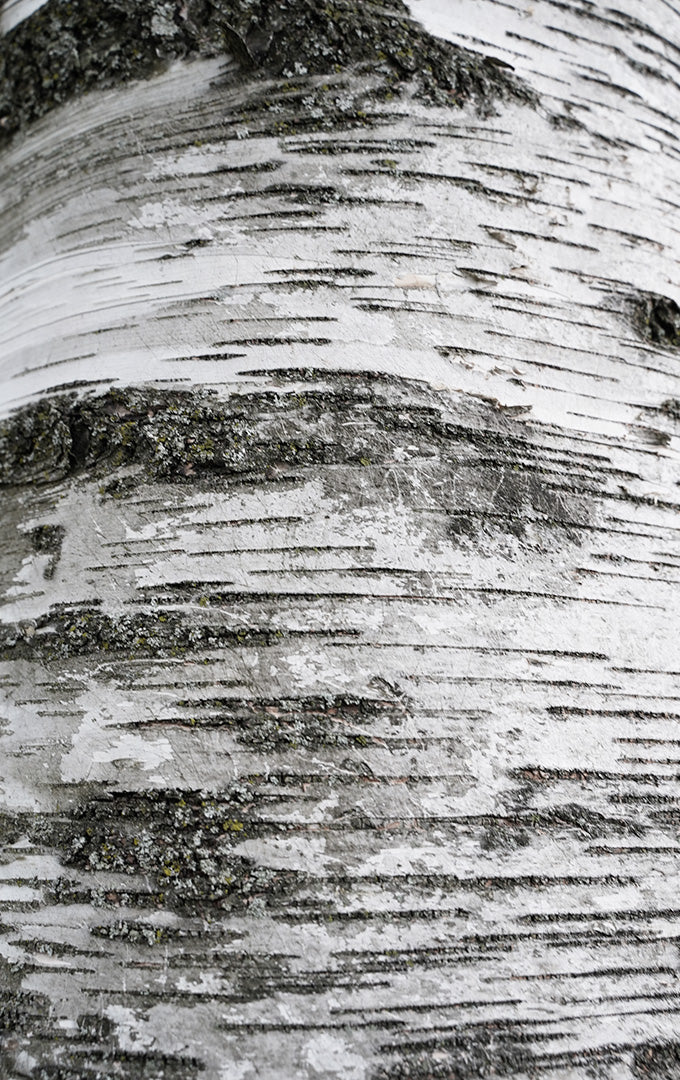
The characteristic light bark and pale, thin trunks of the birch tree (Betula) are a familiar sight to many, and are naturally widespread in large parts of Europe. The birch tree, which immigrated to Denmark towards the end of the last ice age, approx. 14,000 years ago, has been used for a wide variety of things. The wood itself has been used for furniture and firewood, while the branches and bark have been useful for, among other things, weaving baskets and making brooms.

image-one

For “Fastelavn” (Also known as “Shovetide”, a historically lutheran tradition known throughout Northern Europe), the birch tree has also become indispensable, as the branches of the birch tree have been used for making Shovetide rods. Children would use the rods to whip each other, and according to old belief, the power from the buds of the branch would be transferred to the one who was whipped.


The birch tree is something very special. It offers something that other trees do not. In spring, sap rises in the tree, which in the old days was used for both wine and medicine. Some still use it to make delicious, sparkling champagnes and liquor, and many – to this day – regard birch sap as a natural vitamin supplement.

image-1
image-2
image-one

At Eberhart Furniture, the birch tree has also found a way to work as a vitamin injection, giving new life to the existing range of furniture in our collection. After having our primary focus on oak, we have finally opened our eyes to the wonders of birch. Compared to oak, the light birch is soft and easy to work with. Still, the wood is heavy and sturdy, perfect for furniture that are made to last. The grain of the wood is hardly as visible as with other types of wood, and you are rarely challenged by knots, which together give it a fine and smooth, almost silky, surface. In our production, we follow exactly the same procedures as in our work with oak.

image-one
image-two
image-one

Yes, the birch tree is something very special, and we at Eberhart Furniture are delighted to be able to present it as a new part of our permanent selection.